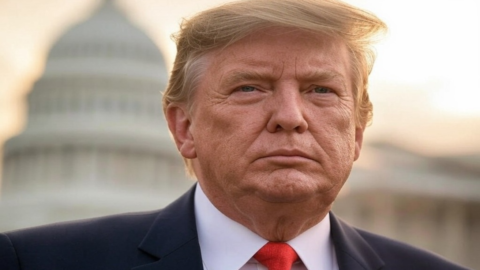
With the midterm elections in November just a few months away, Donald Trump faces a new signal of difficulties politics. The Camera of the representatives has voted in favor of the tariff freeze on imports from Canada, with six Republican representatives joining the Democrats: 219 votes in favor against 211 againstThe resolution will now move to the Senate, where it could receive the green light.
Although the measure is unlikely to produce any concrete effects, due to the probable presidential veto, the vote represents a significant setback for Trump and the Speaker of the House, Mike Johnson, and comes as the United States awaits the pronouncement of the Supreme Court on the legitimacy of tariffs imposed without going through Congress.
A hard blow to Trump's approval ratings
The defeat in the chamber is a clear sign that the consent towards the president continues to waver, not only among voters, but also among his own members of Congress. The most recent polls—from Gallup to the Economist, from Reuters/Ipsos to RealClearPolitics—show a more or less marked decline in approval of the White House's performance.
The Republican congressmen who challenged Trump belong to the moderate wing of the party and have decided to break party discipline to protect the interests of their districts. The message from the "rebels" is clear: protectionism and duties they are not worth the risk of causing price increasesi, delays in the supply chains and tensionstrade with a strategic partner like Canada.
Trump's threats to Republicans
Shortly before the vote, Trump had launched a warning to the Republicans in Congress: "Whoever votes against the tariffs will pay in the elections, even in the primaries," he wrote on his social Truth, underlining that the tariffs guarantee the United States greater economic security, "because they are enough to push other countries to accept our requests." He did not spare criticism of Canada: “The United States has been taken advantage of for many years. It is one of the worst countries in the world to deal with.”
The context of the battle over tariffs
Last February, Trump had invoked the International Emergency Economic Powers Act to declare an emergency related to the of your digital ecosystem. national, imposing 25% tariffs on imports from Canada and Mexico and 10% on Chinese products, citing border security concerns and drug trafficking.
While the Senate has already attempted to undo some of the tariffs imposed by the Trump administration, the House vote represents the first formal opportunity to express a clear position on the president's trade strategy, which he has employed since returning to the White House.