“With the oil tanker traffic at Hormuz Still limited, cumulative supply losses by Gulf producers already exceed 1 billion barrels, with over 14 million barrels per day of Petroleum interrupted, one sunprecedented offer hock“. This is what theInternational Energy Agency In its monthly oil market report, the IEA notes, "More than ten weeks after the start of the Middle East war, mounting supply losses from the Strait of Hormuz are depleting global oil inventories at a record pace."
Oil, unprecedented supply shock
According to the Agency's estimates, global oil demand "will contract by 420.000 barrels per day on an annual basis in 2026, reaching 104 million barrels per day, or 1,3 million barrels per day less than our pre-war forecast. The largest decline will occur in the second quarter of 2026, with a decrease of 2,45 million barrels per day.” Although the sectors most affected currently are the petrochemical andaeronautic “Rising prices, a weaker economic environment and demand-containment measures will have an increasingly greater impact on fuel consumption.”
Oil: Stocks have fallen at record rates since the war began.
Global oil supply also contracted by a further 1,8 million barrels per day in April, according to the IEA, to 95,1 million, bringing the total loss since February to 12,8 million. Oil production Gulf countries, affected by the closure of the Strait of Hormuz, was 14,4 million lower than pre-war levels. The IEA emphasizes that the increase in production and exports from Atlantic Basin "provides some relief." Assuming a gradual resumption of flows through the Strait starting in June, global oil supply is projected to decline by an average of 3,9 million barrels in 2026, reaching 102,2 million.
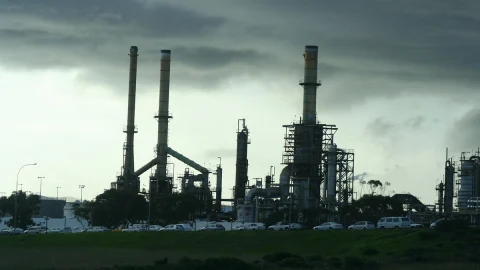
Moving on to crude oil processing in refineries, according to the Agency, “will fall by 4,5 million barrels per day in the second quarter of 2026, reaching 78,7 million barrels per day, and by 1,6 million barrels per day for the whole of 2026, reaching 82,3 million barrels per day, due to damage to infrastructure, export restrictions and lower availability of raw material“Refining margins remain “at historically high levels, supported by record refining rates of middle distillates.” Refineries, the report highlights, “are adapting to the crisis, with the emergence of new trade flows to compensate for the loss of exports of Gulf products”.