It would be useful adopt the “Cottarelli method” for a serious project of rebirth of the Taranto steelworksThe Taranto Ilva affair has brought everyone to an agreement, in the sense that, at the point we have reached, it is difficult to attribute exclusive responsibility to any institutional, political or social body, as they have all contributed over a period of more than ten years, with specific actions or with omissions and delays, to produce a result that has been defined as a “industrial homicide”.
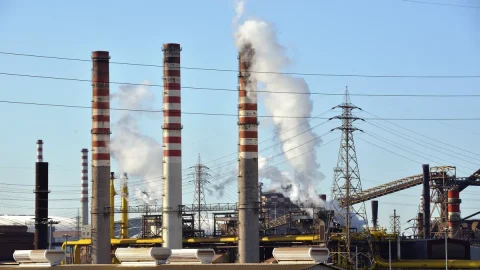
Realistically, it is highly unlikely that the start of the pandemic will be avoided in August. permanent closure of the hot area of the steelworks This will force the plant to limit its operations to rolling imported semi-finished products. It's equally inevitable that the impact on employment will be very negative, and in any case, without the full steel cycle, the plant's future will be much less rosy.
According to the traditional procedures for managing industrial crises, in the next few days the Government, faced with this situation, should, involving all the interested parties, Italian or foreign, find an agreement with the interlocutor who, also on the basis of the decision of the Court of Appeal of Milan, guarantees the best credible offer in terms of production structure and employment levels.
Nationalization, investments, and the "Cottarelli method"
This hypothesis is opposed to the more hasty one of at least a part of the union which asks not for the presence of the State in the new company which should be born, but for the outright nationalization of Ilva placing all responsibility for future management on the state. The focus should be on the reconstruction of the hot-air area of the plant with the necessary environmental safeguards, which is in itself possible, provided there is sufficient overall funding over the years, including that for extraordinary social safety nets.
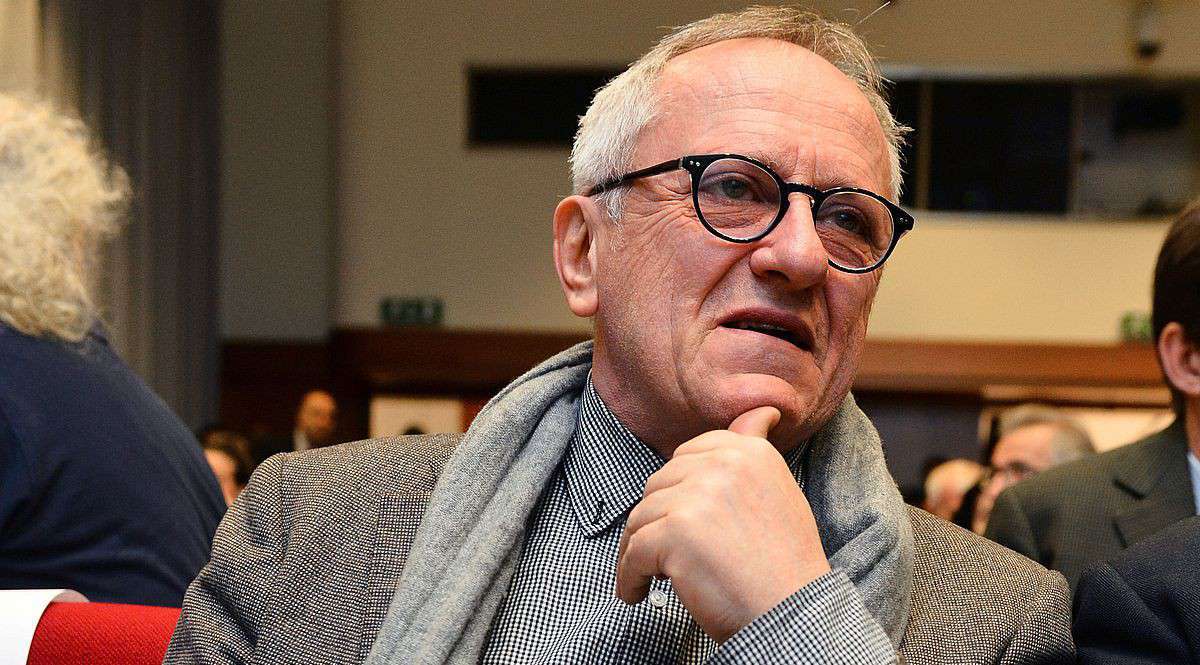
Professor Carlo Cottarelli has asked all those who propose interventions of any kind to also indicate the size of the expenditure and the source of the financing related. All the more so, if we accept this common-sense proposal, the question must be asked of those who meritoriously propose rebuilding a new and modern industrial plant.
We must accept the risk of confronting the contradictions of our country, where corporatism and destructive ideology have severely affected Italian society, starting with the most important institutions, making it extremely difficult to construct a broad-based political strategy that inevitably requires unpopular decisions. The electoral blackmail faced by the various political forces is enormous; every decision triggers a reaction from the affected interests and paralyzes the political system.
But, barring significant spending cuts and necessarily having to think about new revenue, we're spoiled for choice.
Possible sources of funding and responsibility for choices
Getting down to the nitty-gritty of the project “Rebirth of the Taranto Steelworks” It could be financed by an increase in tobacco taxes or, alternatively, by an "update of the inheritance tax, by an extension of the role of withholding agent to the individual employer, by updates to land registry data. Not to mention the financial rebalancing of the social security system or the revision of the flat tax." In general, it is also appropriate to study the taxation of income, abandoning the generic formula of "excess profits," and to effectively combat tax evasion, and in particular undeclared work, increasingly use technology and AI. In this case, the results for Ilva have not been lacking. It is also necessary to use the most effective human resources and resources to verify the discrepancies between taxpayers' declared income and their standard of living.
Whatever you think about it, if we examine the Taranto "Ilva case" To offer a solution, we must make some choices. The secretary of the FIOM, Michele Di Palma, has declared that the closure of the hot zone, with all that it entails, is the greatest European crisis from an environmental, employment, and industrial standpoint, as well as Italy's first real problem. But the very declaration of an eight-hour strike by the metalworkers' organizations, if not followed by a challenging and comprehensive proposal, risks significantly weakening the role of the unions. The Taranto issue, if one considers a rebirth project, becomes a national question and imposes choices that may in the short term be unpopular for those who propose them and risky from an electoral perspective.
But this marks the difference between ordinary administration for survival (which should not be demonized at all) and strategic planning of political forces which sometimes becomes indispensable. In this sense, the Taranto crisis reflects that of the entire country.