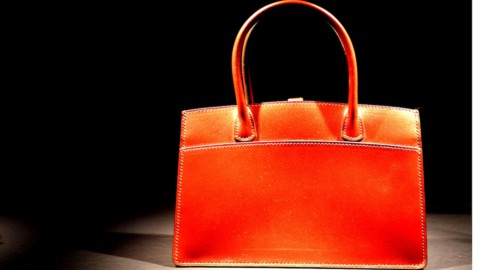
A historic overtaking shakes the world of luxury: Hermès he passed it lvmh, becoming the first luxury company in the world with a capitalization of 254,32 billion of euros. After weeks of alternation between the two giants, Hermès has taken the lead, consolidating its position and increasing the gap. While the Parisian fashion house celebrates its triumph, the group controlled by the family Arnault saw the value of its shares collapse due to disappointing quarterly results, a sharp decline from the peak of nearly €500 billion reached in May 2023, during the post-pandemic euphoria.
Today, LVMH's capitalization stands at just over 248 billion of euros, a decline due to several negative factors, which significantly influenced the value of its shares.
LVMH in crisis: sales down and duties put the luxury giant in difficulty
Luxury giant LVMH, which counts among its flagship brands Louis Vuitton, Dior, Tiffany & Co. and Sephora, faced a disappointing first quarter of 2025, with a sales decline of 3%The slowdown in the clothing sector (-5%) and the drop in sales of beauty products and cognac in the United States, in addition to the weak question from ChinaThe group's overall revenue fell 2%. This pushed LVMH shares to lose nearly 7% of their value on the day of the accounts, also accentuated by concerns about US customs tariffs and an uncertain economic context.
In the midst of these difficulties, Bernard Arnault launched a criticism of the EU, accusing it of not defending Europe's economic interests enough. While many attribute the difficulties to Donald Trump and his policies, Arnault called the European Union a “bureaucratic power” and proposed the creation of a free trade area with the United States, to avoid further tariffs and protect European companies.
To face the 10% US tariffs on products from Europe, Louis Vuitton had to make a difficult but inevitable decision: increase the prices of its bags most iconic, such as the GM Neverfull, in order to protect margins and consolidate its dominant position in the luxury market.
Hermès Beats the Crisis: The Secret to Its Growth
Meanwhile, Hermès has held up better than many other luxury companies, becoming a sort of “safe haven” in the sector, similar to Ferrari. Many experts point out that the secret of success of the maison lies in its ability to remain immune to global economic fluctuations, financial crises and, perhaps, even trade wars. The loyalty of its exclusive clientele, willing to pay anything to own a product from the Parisian brand, is the real engine of this stability. Since the beginning of the year, Hermès has increased by 4,65%, reaching 2.408,00 euros per share, while LVMH has fallen by 21,25%, reaching 499,50 euros per share.
The Parisian fashion house has also decided to increase prices in the United States to counter the impact of the new tariffs, starting May 1, although the precise details of the new tariffs have not yet been released.
LVMH's Historic Takeover of Hermès
Hermès' overtaking of LVMH takes on a particularly symbolic meaning, considering the long and intense battle that pitted the two luxury giants against each other. Already in 2010, LVMH had surprised the market by declaring that it had acquired more than 14% of Hermès' capital, later increasing its stake to 25%. With this step, Arnault attempted a hostile takeover, but the Hermès family not only repelled the assault, but united in a holding company, H51, to consolidate control of the maison and protect the dynasty's decision-making power.
Fifteen years after that historic battle, the resistance of the Hermès family has proven successful. Today, the 100 members of the dynasty own approximately 66% of the capital of the maison, a share that, at current prices, is worth over 160 billion euros. Over the past four years, this stake has generated over 5 billion euros in dividends, part of which has been reinvested in Italy, through the Luxembourg holding company Jakival, owned by the branch Guerrand of the family. Hermès is today not only the leader in luxury, but also the third largest company in Europe, after the software giant Temple Size and the Danish pharmaceutical company New Nordic.