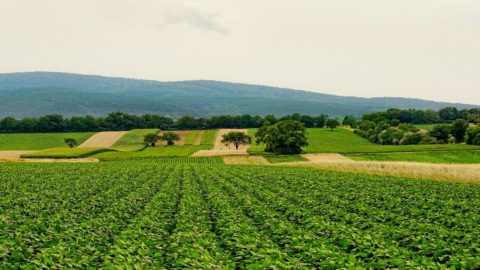
Everything is grown, they are strategic areas for good agriculture but the big green projects up to 2030 (whether European or Italian) have not taken them into consideration. It took a qualified institution like the Sant'Anna High School of Pisa to draw the attention of green politicians and strategists to collective farmland. An important historical reality of the cultivated land heritage, not to be overlooked.
Making a small leap into the law, it should be remembered that these are goods administered by the community, a legacy of ancient private properties passed on to civic uses. In Europe they exceed i 12 million hectares (610 thousand in Italy) but to the detriment of the quality production of wheat, wines, vegetables, in the valleys or in the plains, they risk falling prey to privatization or embezzlement. 69 teachers and researchers from 39 countries have signed an appeal to remedy a serious gap.
The revival of agriculture in a sustainable key with fresh money to support, can make speculators want to remove these assets from the care of local communities. There Common Agricultural Policy, the Green New Deal and the Farm to Fork Strategy of the EU still have time to recover from past negligence, says those who fight for continuity in a modern key. The debate aroused by the conference "The Food Commons" in Pisa thinks of a new course for these plots without market logic.
For this the AgLaw research group "Agricultural, Agrifood, Agri Environmental Law") of the Dirpolis Institute (Law, Policy, Development) has also taken charge of a mapping of all the collective territories to be considered "common good" in Europe. The success of this work will have to have greater visibility in the food world as a return. Curious that the phenomenon has not been thoroughly analyzed by the experts of our Ministries.
Between i coordinators of the network “Territories of commons in Europe”” is the researcher Antonio Manzoni, who explains: “the phenomenon of collective agricultural land is an experience which the legislator and civil society cannot fail to take into account. At the moment, the seventh ISTAT census of agriculture is taking place, which will end in June », therefore an opportunity not to be missed. In 2013 Eurostat had counted 2.233 units between farms, companies or collective bodies devoted to crops and good quality productions. Today they will be more and constitute a rural heritage that must not be lost in a crucial step of sustainable European agriculture and food. Passage financially supported - needless to say - by the community.