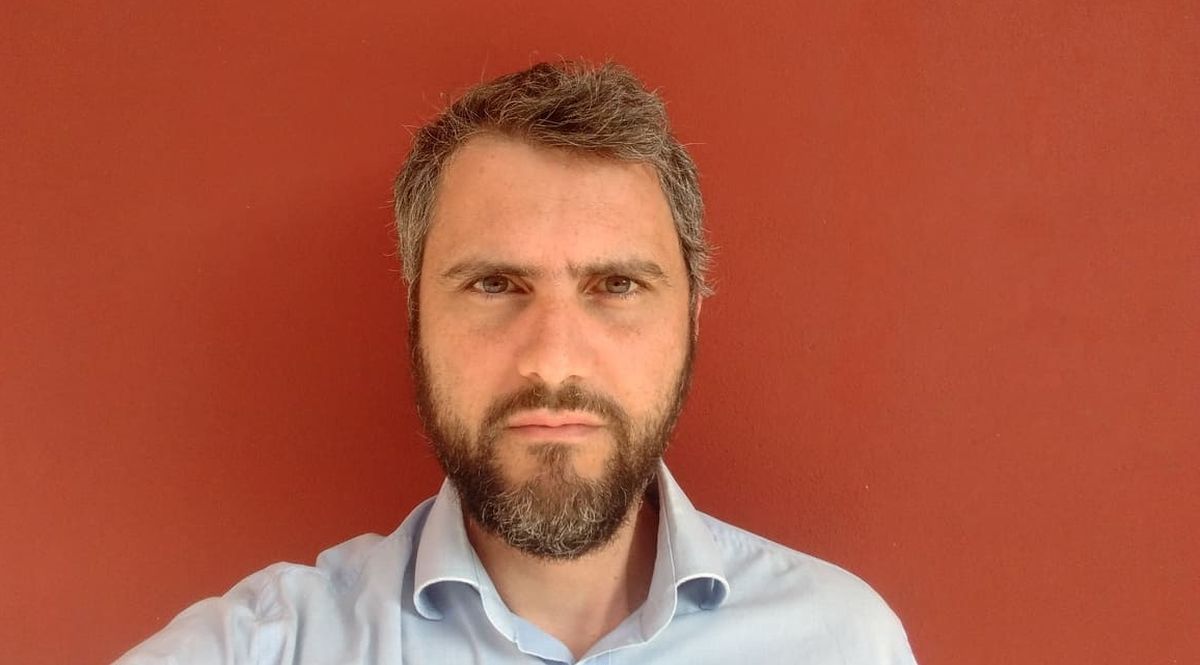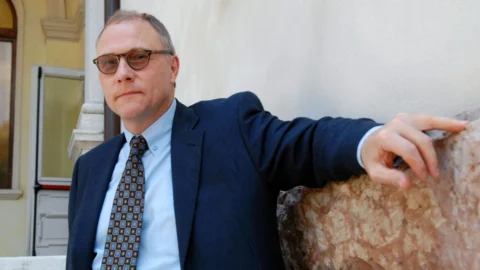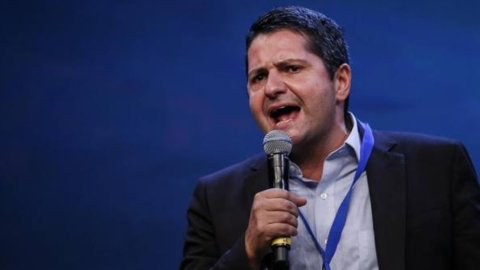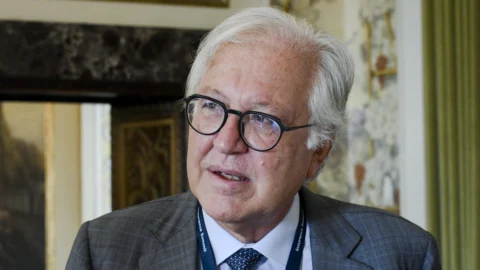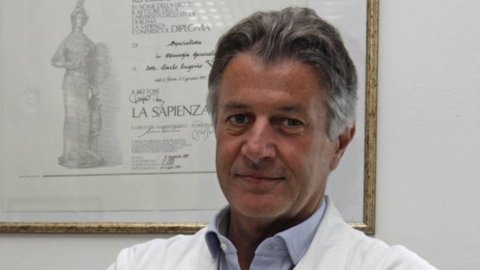
"The Italian health service is sustainable if things are done correctly, that is by eliminating corruption, defensive medicine and focusing on a useful and advantageous innovation, which is guided by technicians, that is by doctors, and not decided at the table". To launch the appeal is Carlo Eugenio Vitelli, Director of the Department of Surgery of San Giovanni in Rome and co-president of the conference (with Giovanni Battista Doglietto, luminary of the Gemelli Polyclinic and the Catholic University of Rome), concluded yesterday in the capital, which saw 27 scientific societies for the first time of Italian Surgery, practically all, meet in a joint congress.
The title was “Sustainability, innovation, litigation and ethics” and the event saw the participation of the ministers of Health Beatrice Lorenzin and of Public Administration Marianna Madia, as well as the president of Anac Raffaele Cantone, who didn't use half measures to define one of the major problems faced in the final session: "On many issues that concern the top management of health structures there is a strong influence of politics, which in some areas also means a piece of the influence of crime".
One of the issues is precisely that of transparency in the purchase of products and services: “There has also been talk – explains Vitelli – of centralize procurement tenders through a single company at the regional level, as is the case with Consip at the national level. But above all we need technical bodies, such as NICE in the United Kingdom, which evaluate the functionality of the new devices, and of the new drugs, for the treatments for which they are addressed. At the moment in Italy the criterion of economy and, in some cases, of ill repute prevails, and sometimes it is also the fault of us surgeons because we have not yet clarified the guidelines”.
The reference is above all to the robotics, often used inappropriately in operating theatres, "in a useless and expensive way", but also in cases in which the usefulness of the innovation is certified, such as that of hepatitis C drug recently patented, but it is not accessible to everyone, "creating inequality in a health system that instead professes to be universal, while still being among the most efficient in the world".
The truth about the abuse of the use of robots is easily explained: "The only currently certified validity - reveals Vitelli - is that for operating the prostatectomy radical, or prostate cancer, on the other hand robots are used for almost everything, ending up being uneconomical since the machines cost a lot, and so does their maintenance, but the reimbursement for the operation is the same as if done traditionally ”.
So one solution would be a technical control body, on the English model, which codifies the interventions that must be done with the robot, providing for a higher reimbursement. “We are faced with a huge number of innovations – confirms the surgeon of San Giovanni -, which however are not managed by doctors but by officials of the ministries, who apply only economic and non-scientific criteria. Minister Lorenzin said he agreed with us on this point”.
In short, the innovation exists, but if on the one hand it brings undoubted advantages to patients, it is unable to spread or is spreading badly: in addition to robots, which allow patients to be operated remotely, interventions using probes have also spread, non-invasive, like the most recent ones laparoscopies for intestinal operations. But politics ruins everything, as Cantone also said and illustrated by an emblematic case: "In Rome there are 5 liver transplant centers and only one in Piedmont, which however alone does more transplants than in Rome...", he says Calves.
Another piece to remove is that of defensive medicine, “which costs the system 12 billion a year”. A considerable figure, due to the procedures put in place to avoid subsequent judicial problems: "There are protocols whereby in the absence of certain symptoms a patient is sent home, however now the fear of legal action leads to an MRI in more, or to keep the patient a few more days in the hospital: these are useless expenses”.
Finally, the Director of the Surgery Department of San Giovanni in Rome also reflects on one of the hot topics of the moment in the world of medicine: the vaccines. “It's outrageous that some people don't want to do them anymore, it's pure madness. We had managed to eradicate diseases such as smallpox, and now vaccines are all the more needed to deal with the migratory flows of these periods, which are exposing us to the return of diseases that seemed to be obsolete, such as tuberculosis. In general, more prevention is needed, beyond vaccines: many checks, which were done for example for military service, are no longer done. Minister Lorenzin also insisted on this”.